SOCIAL RESPONSIBILITY

FOR A SUSTAINABLE FUTURE

SOCIAL RESPONSIBILITY

In BMI Polymer, We are committed to social responsibility through environmental protection activities, plastic recycling and community support to build a better and more sustainable future for everyone.

HIGHLIGHTS INFORMATION

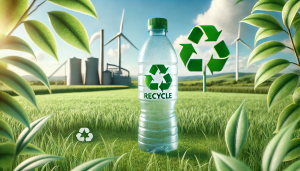
BMI Polymer Prioritizes Production of Products from Recycled Plastic – Committed to a Green Planet

Nowadays, plastic is an increasingly commonly used material in many areas of life. This invisibly

chi tiết
Human Resources Is The Essential Factor Creating BMI Polymer’s SUCCESS

Did you know that up to 89% of CEOs think that human resources should play

chi tiết

RECYCLING STORY

The journey is about transforming plastic waste from a problem into an opportunity – an opportunity to recycle, reuse and reduce plastic pollution. At the same time, it is also the story of our commitment to a cleaner, more sustainable future for the planet.
Production of recycled plastic pellets is a model of sustainability, combining economic efficiency and environmental protection. Solve an environmental problem, drive positive change and shape a greener future.

PROCESS OF TREATMENT OF RECYCLED PLASTIC

bmi polymer plastics recycling process
STEP 1 - COLLECT AND CLASSIFY PLASTIC WASTE

Plastic waste is manually sorted according to each type of plastic. Each recycling plant will have a different level of classification. In accordance with the requirements of the manufacturer as their partner. Criteria used to classify plastic waste such as origin, color, characteristics…

After sorting and cleaning, the collected plastic waste is put into a blender to grind into small plastic chips. The plastic scraps are put into the soaking tank, cleaned of dirt and then dried by machine.

The plastic piece will be ground and colored during this stage. Color will be mixed according to the manufacturer’s requirements. The plastic piece is melted into a plastic stream that is pushed by the pressing shaft through the filter screen through the mold head to form plastic fibers. These plastic fibers are guided through a water tank to cool and solidify. The hardened plastic fibers are then chopped into granules, then packaged, stored, and transported to manufacturing facilities and factories.

Depending on each product’s requirements, recycled plastic resins are transported to production facilities for mass production of products.

FEATURED STORIES

BMI Polymer and Recycled Plastics – The Road to Net Zero 2050

In the context of the Earth warming at an unprecedented rate, causing serious consequences for

chi tiết
Plastic Sorting and Recycling: Trends and Opportunities for a Sustainable Future

Plastic is one of the most commonly used materials in our economic life today, but

chi tiết
Waste Classification at Source – Small Action, Big Meaning

In a context where the world faces serious environmental problems, separating waste at source is

chi tiết