VN
VN JP
JP
PLASTIC COMPOUND
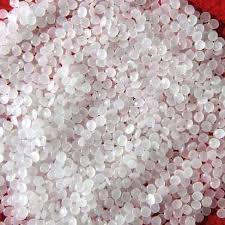
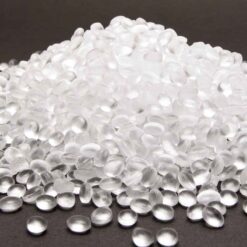
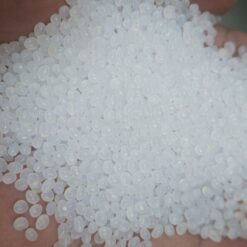
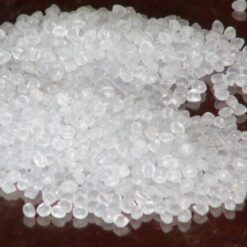
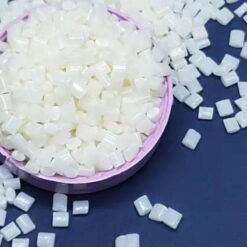
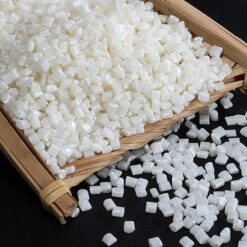
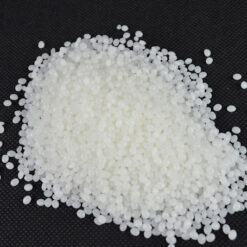
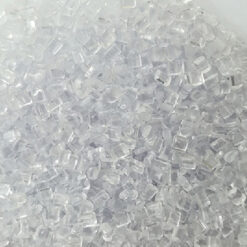
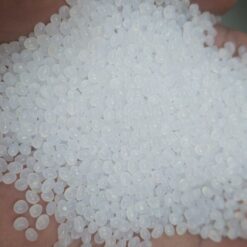
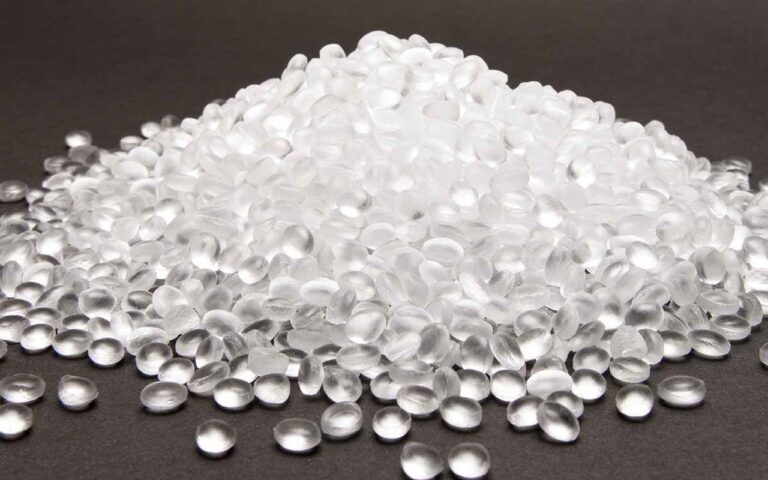
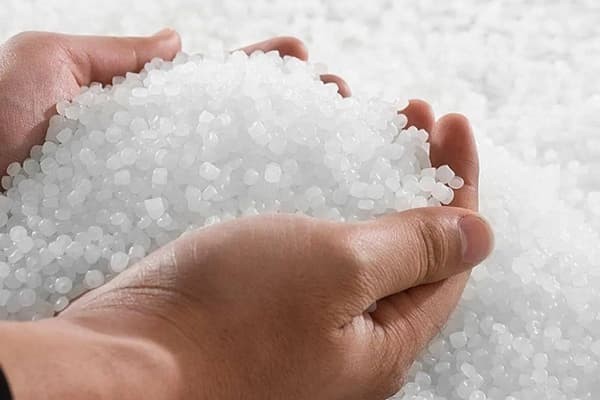
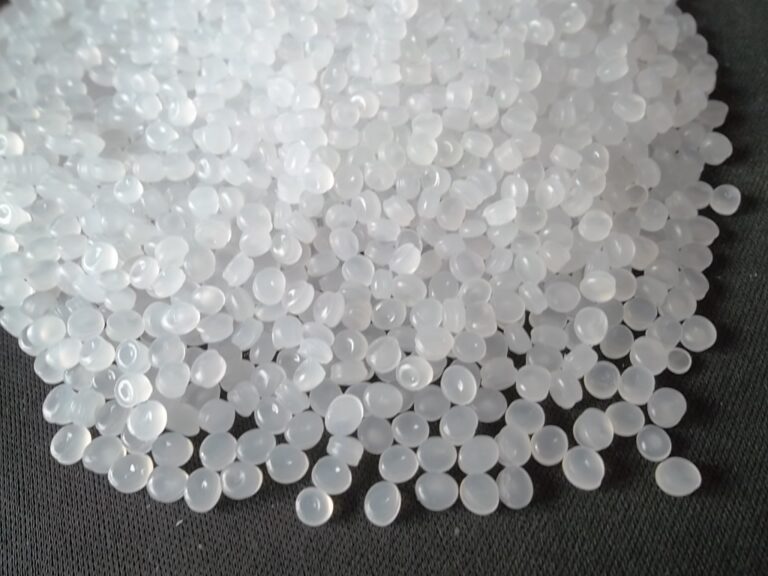
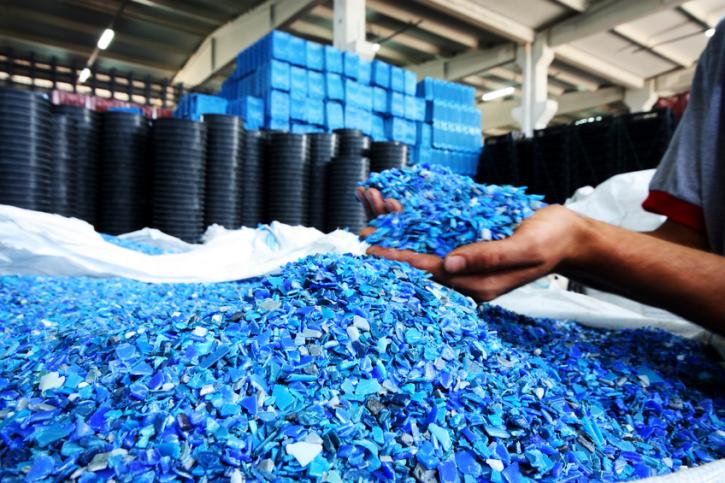
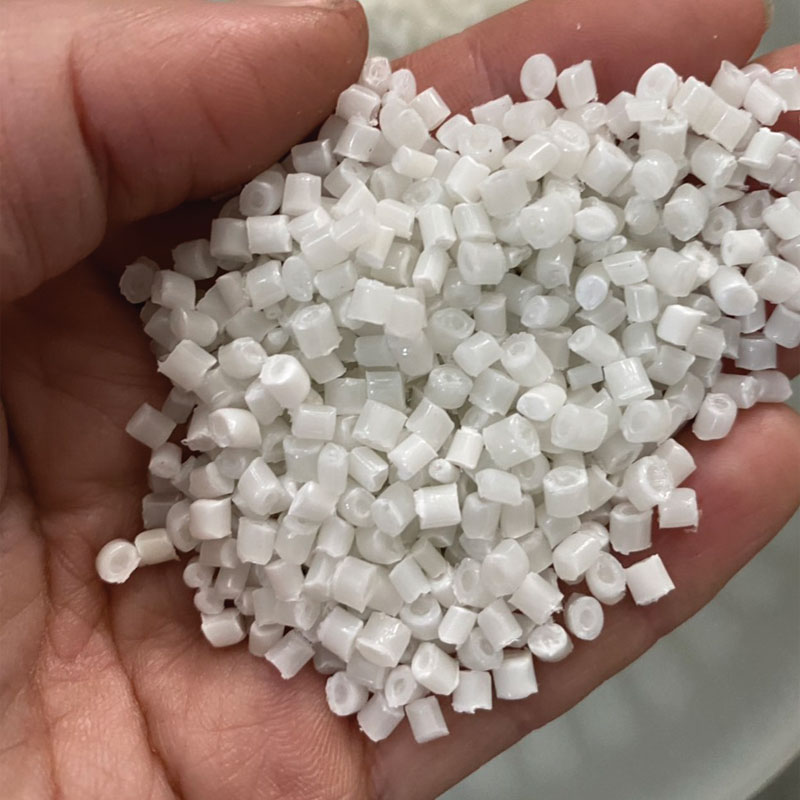
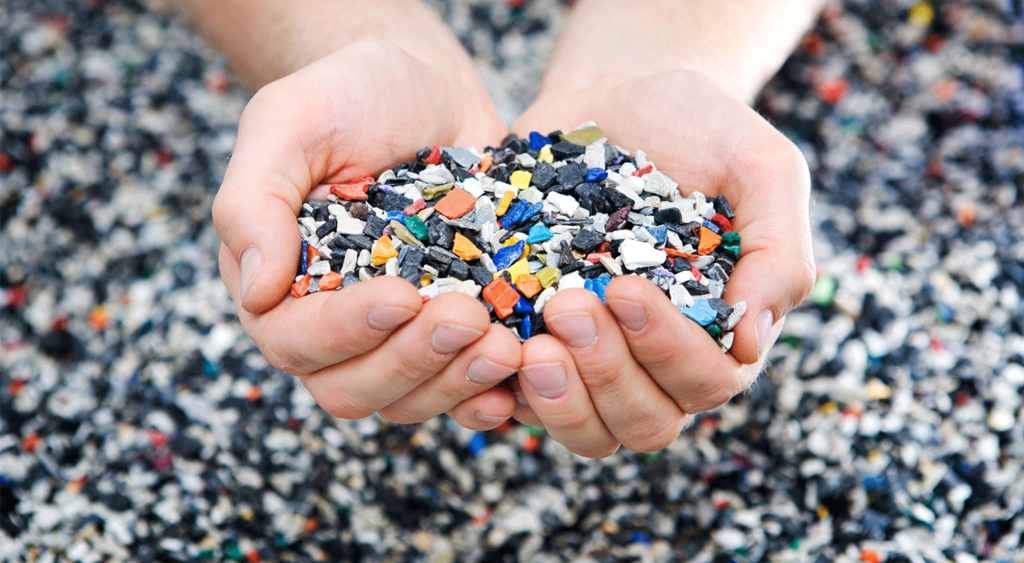
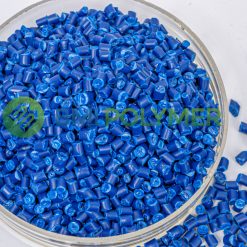
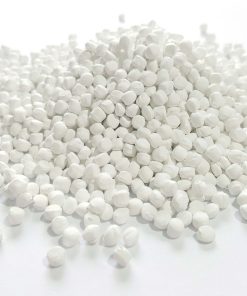
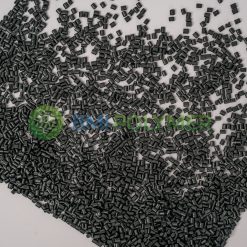
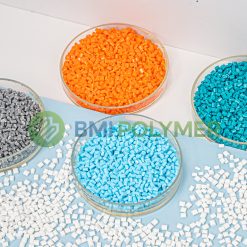
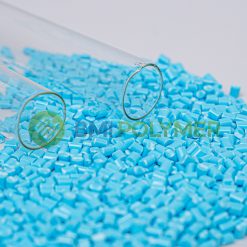
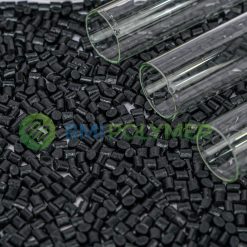
Compound plastic pellets, also known as engineering plastic pellets, are created by combining resin bases with one or more fillers and additives to modify the properties of the plastic. This process produces pellets in various colors tailored to meet specific customer requirements.
Compound pellets can be made from recycled or virgin plastics, depending on environmental criteria, sustainability goals, or cost reduction needs.
ADVANTAGES
ADVANTAGES
- Stable quality, especially for products with high-quality requirements.
- Reduces the defect rate.
- Lowers labor costs.
Compound pellets can meet the following requirements:
- Mechanical properties: impact resistance, tensile strength, flexibility, etc.
- Anti-static properties.
- Anti-oxidation.
- Chemical resistance.
- Flame retardancy.
CLASSIFICATION
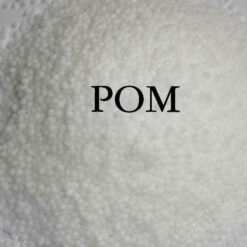
Based on the resin base and the specific characteristics of the final product, compound plastic pellets are categorized into various types such as PP Compound, ABS Compound, PC-ABS Compound, and more.
MAIN PRODUCT CODE

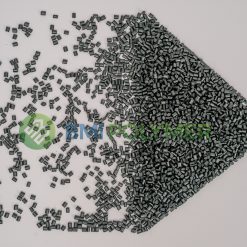
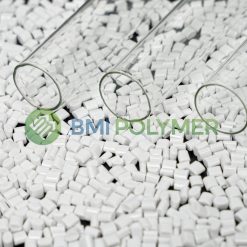

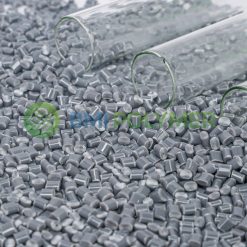
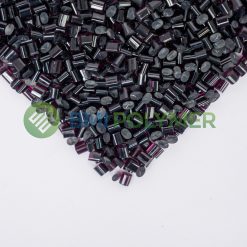
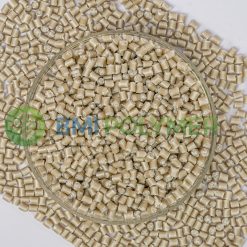
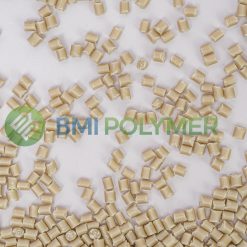
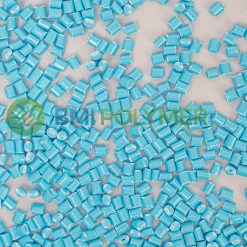


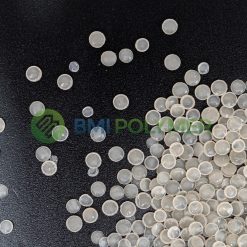


PRODUCT APPLICATION
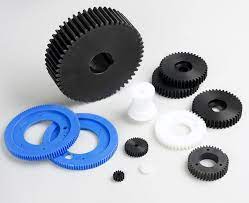
- Industrial products: Gears, bearings, transmission belts, scroll wheels, plumbing connectors, handheld devices.
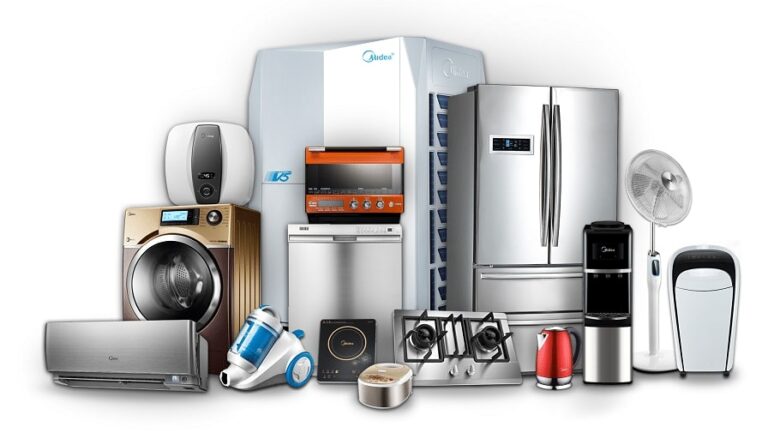
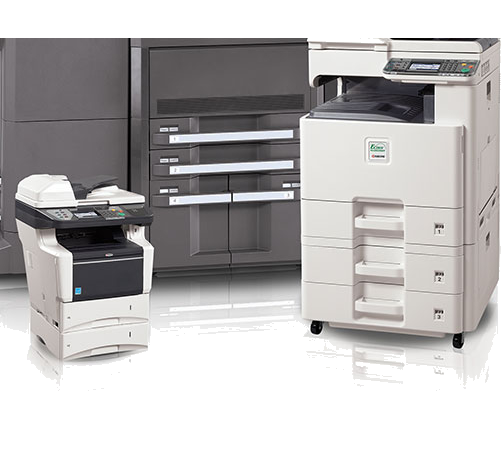
- Electrical / electronic products: Computer components, office machine gears, household electrical components, camera components
- Civilian products: Watches, zippers, baby car parts, bathroom accessories, window rails.
- Car / motorbike components: Exhaust valve, lock mold, gas tank cap, carburetor components, wiper components, wiring board, gear combination.
- Sports equipment: Bicycles, fitness equipment, marine vehicle components
- Application in motorbikes, aerodynamic tools, machine components, components with high hardness and low shrinkage, industrial components that are impact resistant, low working temperature, smooth surface, industrial components Low shrinkage, highly durable and wear-resistant industrial components